

Pure Energy Solutions
Illuminating Africa with the brilliance of Pure Energy Solutions-transforming lives, powering progress, and securing a brighter future.
Solar Panel Systems
Solar panel systems are an increasingly popular alternative energy solution for homes and businesses. These systems are designed to harness the power of the sun and convert it into usable energy for your home or business. The major components of a solar panel system are the solar panels and inverters. There are several different types of panel technologies, each with its advantages and disadvantages.

Mono-Crystalline Solar Panels:
Mono-crystalline solar panels are made from a single crystal structure and are highly efficient, with typical efficiencies ranging from 15-21%. The main advantage of mono-crystalline solar panels is their high efficiency, making them a popular choice for homes and businesses with limited roof space. The main disadvantage of mono-crystalline solar panels is that they are typically more expensive than other types of solar panels.
Poly-Crystalline Solar Panels:
Poly-crystalline solar panels are made from multiple crystal structures and have efficiencies ranging from 13-17%. The main advantage of poly-crystalline solar panels is that they are less expensive than mono-crystalline solar panels. The main disadvantage of poly-crystalline solar panels is their lower efficiency, which means that more panels are required to generate the same amount of energy as mono-crystalline panels.
Thin-Film Solar Panels:
Thin-film solar panels are made from thin layers of photovoltaic material and have efficiencies ranging from 5-13%. The main advantage of thin-film solar panels is that they are the most flexible type of solar panel and can be easily integrated into a variety of products, including roofing materials, building facades, and portable power solutions. The main disadvantage of thin-film solar panels is their lower efficiency, which means that more panels are required to generate the same amount of energy as other types of solar panels.
At Pure Energy Solutions, we believe that mono-crystalline solar panels are the best option for most homes and businesses due to their high efficiency and reliable performance. We are committed to helping our clients find the right energy solution for their specific needs and to ensuring that every home and business has access to reliable, and sustainable energy.
The solar panels are connected to inverters which convert the direct current (DC) power generated by the panels into alternating current (AC) electricity that can be used by your home or business. There are several different types of inverters, each with its advantages and disadvantages and typical applications.
Grid-Tied Inverters: These inverters, also known as “on-grid” inverters, convert the DC power generated by solar panels into AC power that can be used in a home or building and/or sent back to the utility grid. The advantages of grid-tied inverters include being cost-effective and easy to install, the ability to earn credits from the utility company for excess energy sent back to the grid, and the ability to take advantage of net metering programs offered by utilities. The disadvantages of grid-tied inverters include the inability to provide backup power during power outages, dependence on the reliability of the utility grid, and inability to be used for off-grid applications.
Off-Grid Inverters: These inverters are used for standalone power systems, where there is no connection to the utility grid. They convert DC power generated by solar panels into AC power that can be used to power electrical loads and stored in batteries for later use. The advantages of off-grid inverters include the ability to provide backup power during power outages, being ideal for remote locations without access to the grid, and the ability to be used for completely self-sufficient power systems. The disadvantages of off-grid inverters include being more expensive than grid-tied systems due to the need for batteries and other components, requiring regular maintenance of batteries and other components, and being less efficient than grid-tied systems, especially if not sized correctly.

Hybrid Inverters: These inverters are a combination of grid-tied and off-grid inverters, and allow for both on-grid and off-grid operation. They allow homeowners to generate their power and draw from the grid as needed. The advantages of hybrid inverters include the ability to provide backup power during power outages, allowing for both on-grid and off-grid operation, and the ability to store excess energy in batteries for later use. The disadvantages of hybrid inverters include being more expensive than grid-tied inverters, but less expensive than off-grid systems, and being less efficient than grid-tied systems, especially if not sized correctly.
Micro Inverters: These are small grid-tied inverters that are installed at each solar panel instead of at a central location. They convert the DC power from each panel into AC power, allowing for improved performance and monitoring of each panel individually. The advantages of micro inverters include improved performance and monitoring of each panel individually, the ability to compensate for shading and other performance issues with individual panels, and the ability to be easily replaced if a single panel fails. The disadvantages of micro-inverters include being more expensive than string inverters, especially for larger installations, requiring a separate inverter for each panel, and being more complicated to install and maintain than string inverters.
String Inverters: These are central inverters that are used to convert DC power from multiple solar panels into AC power. They are typically used in larger commercial or utility-scale grid-tied solar installations. The advantages of string inverters include being cost-effective for larger installations, being easy to install and maintain, and being suitable for large commercial and utility-scale installations. The disadvantages of string inverters include the performance of the entire string being limited by the lowest performing panel, the inability to compensate for shading, and other performance issues with individual panels, and if a single panel fails, it can affect the entire string.
At Pure Energy Solutions, we are committed to helping our clients find the right energy solution for their specific needs and to ensuring that every home and business has access to reliable, sustainable energy. We can help you choose the right inverter for your solar panel system, taking into account your specific needs and requirements.”
Battery Energy Storage Systems
Battery Energy Storage Systems (BESS) using Uninterruptible Power Supplies (UPSs), Portable Power Stations, Hybrid and Battery Inverters can be used to store excess energy generated by solar panels for later use. The stored energy can be used during power outages, periods of high energy demand (i.e., peak shaving for applicable tariffs), or to reduce reliance on the grid during peak hours. The two main types of battery technologies used in BESS are Lead-Acid and Lithium-Ion batteries.
Lead-Acid Batteries: Lead-Acid batteries are the traditional type of batteries used in BESS and have been used for many decades. They are relatively inexpensive, but also have lower energy density and shorter lifespan compared to Lithium-Ion batteries. The advantages of Lead-Acid batteries include being readily available, cost-effective, and easy to recycle. The disadvantages of Lead-Acid batteries include having a shorter lifespan compared to Lithium-Ion batteries, being heavier and larger than Lithium-Ion batteries, and requiring regular maintenance, such as topping the fluid levels.

Lithium-Ion Batteries: Lithium-Ion batteries are a newer technology that has become increasingly popular for use in BESS due to their higher energy density and longer lifespan compared to Lead-Acid batteries. The advantages of Lithium-Ion batteries include having a longer lifespan, being lighter and smaller in size, requiring less maintenance, having higher energy density, and allowing for more energy to be stored in a smaller package. The disadvantages of Lithium-Ion batteries include being more expensive compared to Lead-Acid batteries, and being more complex and potentially dangerous if not used or installed correctly.
In terms of the different types of Battery Energy Storage Systems Inverters, they include:
Hybrid Inverters: These inverters are a combination of grid-tied and off-grid inverters and allow for both on-grid and off-grid operation. They allow homeowners to generate their power and draw from the grid as needed and can also store excess energy in batteries for later use. Hybrid inverters can be used in conjunction with Lithium Ion or Lead-Acid batteries, depending on the specific needs and requirements of the system.
Battery Inverters: These inverters are designed specifically for use with battery storage systems and allow for the efficient storage and use of excess energy generated by solar panels. They can be used in conjunction with Lithium Ion or Lead-Acid batteries, depending on the specific needs and requirements of the system. The main disadvantage of these inverters is they require additional components/equipment to integrate with the solar panels (e.g., charge controllers, etc.)
Uninterruptible Power Supplies (UPS): UPS are commonly used to provide backup power for critical equipment in case of a power outage. They typically use Lead-Acid or Lithium-Ion batteries and can be used in conjunction with a solar panel system to provide backup power during periods of extended outages or to reduce reliance on the grid. The advantages of UPS include providing a reliable source of backup power during outages and being easy to install and use. The disadvantages of UPS include having a limited battery capacity compared to other BESS and being more expensive than some other backup power options.
Portable Power Stations: Portable Power Stations are portable batteries that can be used to store and provide power for a wide range of devices, including smartphones, laptops, and other electronics. They typically use Lithium-Ion batteries and can be charged using solar panels, making them an ideal choice for outdoor or remote locations. The advantages of Portable Power Stations include being portable and easy to transport and providing a convenient and reliable source of power for a wide range of devices. The disadvantages of Portable Power Stations include having a limited battery capacity compared to other BESS and being more expensive than some other backup power options.
Regardless of the specific type of BESS used, it is important to choose the right type and battery technology for a specific system, considering factors such as cost, performance, and maintenance requirements. At Pure Energy Solutions we prefer Lithium-Ion batteries due to their advantages, including higher energy density, longer lifespan, lower maintenance requirements, and reduced environmental impact compared to Lead-Acid batteries. Lithium-Ion batteries are also a better match for use with Hybrid and Battery Inverters, as well as UPS and Portable Power Stations, which require high-performance and reliable batteries to ensure stable and efficient operation.
Energy Efficiency Improvement Services
“Energy Efficiency Services by Pure Energy Solutions are designed to help organizations reduce energy consumption, lower energy costs, and improve overall energy efficiency. Our services begin with a comprehensive energy audit, which involves a thorough analysis of your organization’s current energy consumption patterns. The audit evaluates your energy usage and identifies areas where energy efficiency improvements can be made. This includes, but is not limited to, lighting systems, power factor correction, and HVAC systems.
Lighting systems can be made more efficient in several ways, including upgrading to LED lighting, adjusting lighting controls and settings, and optimizing lighting levels. Our experts will assess your lighting system and provide recommendations for improvement, which may include upgrading to more energy-efficient lighting fixtures, adding occupancy sensors, and utilizing daylight sensors to reduce energy consumption.
Power factor correction devices, such as power factor correction capacitors and harmonic filters, are used to correct the power factor in an electrical system. This results in improved energy efficiency and lower energy costs, as the energy that would otherwise be lost is utilized more effectively.
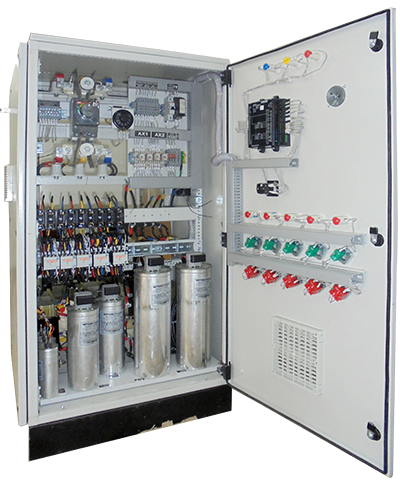
HVAC systems can be optimized in several ways, including improving air circulation, adjusting the thermostat, and performing regular maintenance on the equipment. Our experts will assess your HVAC system and provide recommendations for optimization, which may include upgrading to more energy-efficient equipment, improving insulation, and adjusting operating settings.
The energy audit results are then used to create a customized energy efficiency plan, which outlines specific recommendations for reducing energy consumption and associated costs. Our experts will work with you to prioritize the recommended energy efficiency opportunities, taking into consideration budget constraints, feasibility, and the potential for maximum energy savings.
Once the energy efficiency plan is in place, our team will assist you in implementing the identified energy efficiency opportunities, which may include upgrading lighting systems, installing power factor correction devices, and optimizing HVAC systems. Throughout the implementation process, we will provide ongoing support and technical expertise to ensure that the energy efficiency improvements are properly integrated into your organization’s operations.
The Energy Efficiency Incentive Section 12L provides a rebate of 95c/kWh for energy efficiency savings, making the return on investment for these services more economically viable. By implementing the energy efficiency opportunities identified through our services, you will see reduced energy consumption, lower energy costs, and improved energy efficiency, while taking advantage of the energy efficiency incentives provided by the government.
Contact us to schedule a consultation and learn more about any one or more of our full turnkey sustainable energy solutions that interests you.
Contact Us
Telephone Number
011 568 0909
WhatsApp Number
South Africa- +27 68 718 7205, Zimbabwe- +263 774 615 580